
Literacy
Science of Reading Professional Learning
Grounded in literacy research and aligned with key theories, the Early Literacy Foundations and Science of Reading Professional Learning programs equip educators with knowledge and skills to improve literacy outcomes for all students.
Each offering is specifically tailored to an age or grade band and provides evidence-based, developmentally appropriate strategies for preschool, elementary and secondary classrooms.
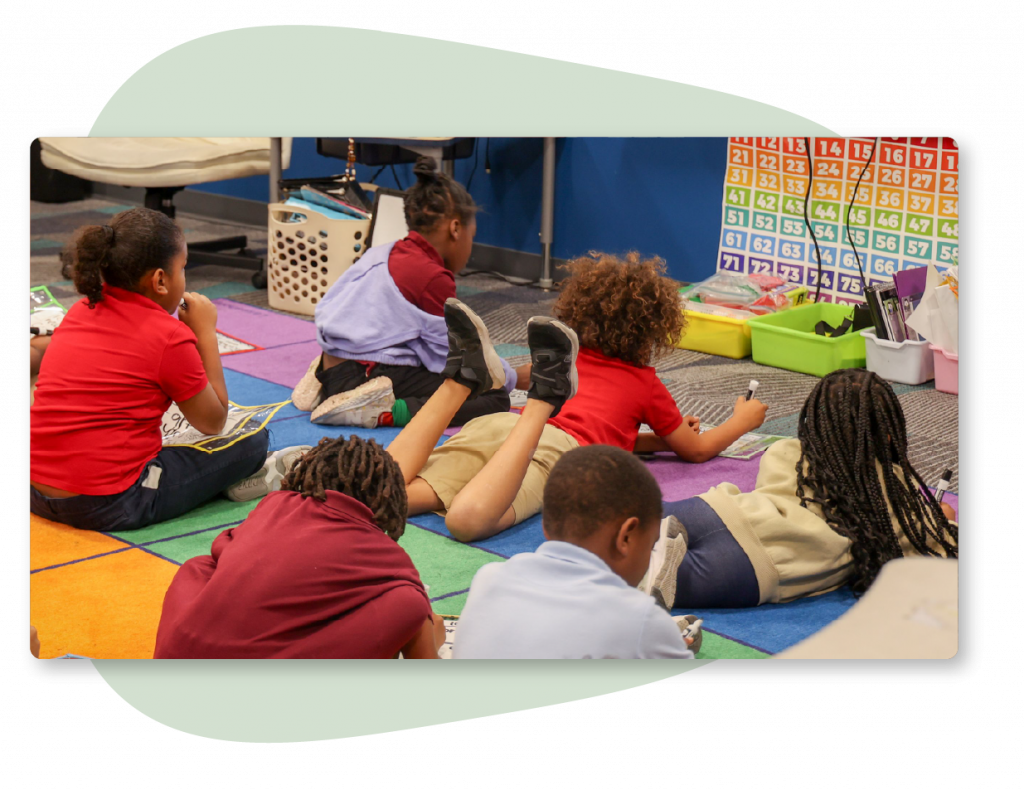
Ages 3 through 5
Early Literacy Foundations
Grounded in the Sciences of Child Development, Science of Reading and emergent literacy standards, this program is designed to help preschool educators make sure students are ready to launch into kindergarten with the literacy skills they need to become skilled readers.
Format: Three five-hour face-to-face sessions
Components:
- The core domains of early reading development
- Practical, evidence-based strategies to strengthen the quality and consistency of instruction
- Tools for data-informed instruction that promotes early language and literacy development

Kindergarten through grade 5
Science of Reading Professional Learning for K-5 Educators
Aligned with key literacy education theories, this program equips K-5 educators with the knowledge and tools to deliver effective, evidence-based reading instruction.
Format: Five five-hour face-to-face sessions and online Literacy Playbook access
Components:
- Developmentally appropriate approaches to literacy instruction
- Literacy Playbooks focused on the Big 5 domains of reading
- Model lessons, observation tools and strategies for supporting English learners and students with disabilities
Grades 6 through 12
Science of Reading Professional Learning for Secondary Educators
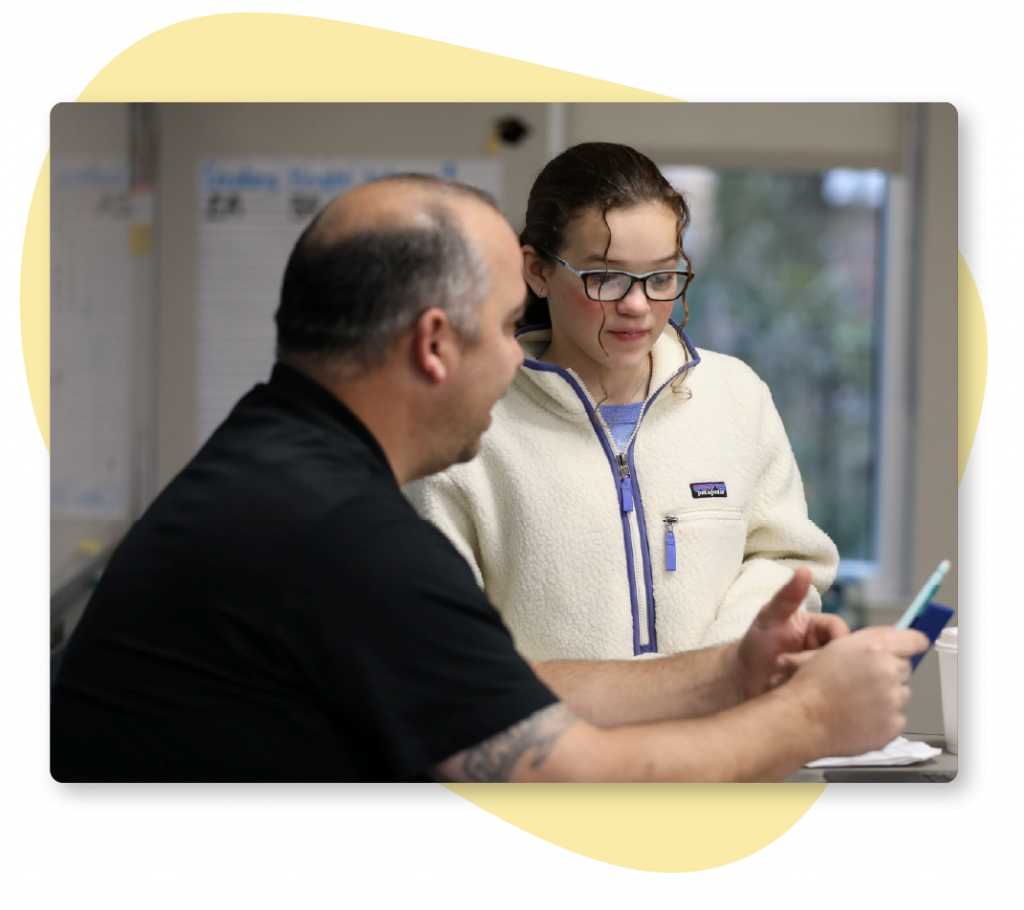
Created specifically for educators teaching grades 6-12, this program supports secondary educators in strengthening literacy and writing instruction for adolescent learners.
Format: Three five-hour face-to-face sessions
Components:
- Evidence-based approaches for supporting comprehension, vocabulary development and more
- Extensive, hands-on application of instructional routines and tools
- Considerations for English learners and learners with persistent literacy difficulties
Connect With Us
Fill out our Program Interest Form to stay up to date on Lastinger Learning course offerings, or contact us to bring Lastinger Learning programs to your district or organization.