
Literacy Webinar Series
Leveling Up Your Literacy Program
Effective literacy instruction and interventions are essential for student success. This technical assistance webinar series is designed to help educators enhance their current instruction and interventions with actionable strategies and resources. Find upcoming webinar opportunities and recorded sessions below.
Meet Your Presenters
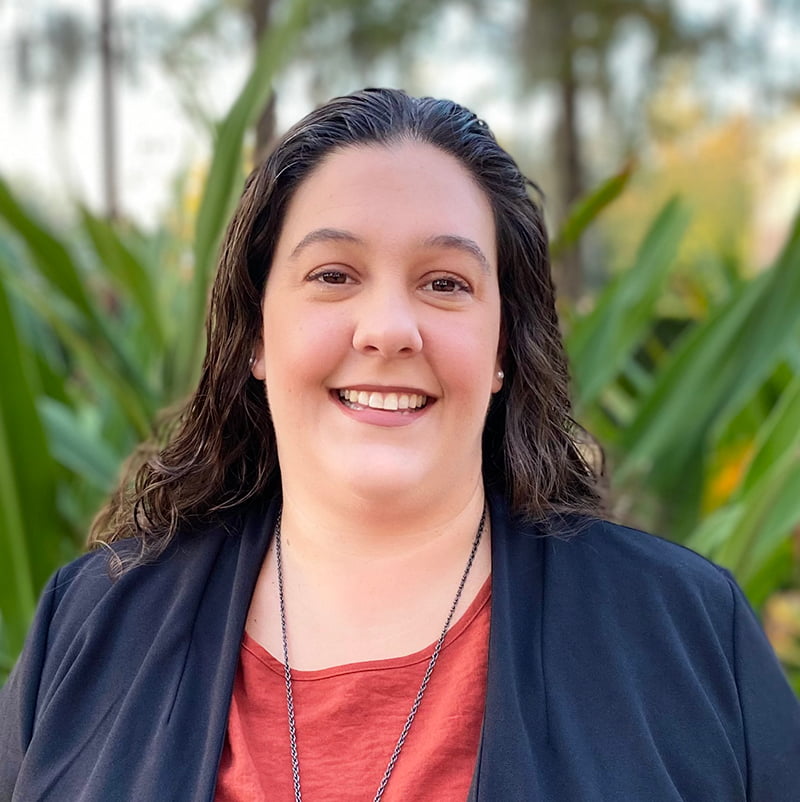
The Lastinger Center Literacy Team features experience in education and education research.




Unlocking Understanding: Evidence-Based Reading Comprehension Instruction
- Explore what reading comprehension is and why it is complex
- Gain strategies to better support students in making meaning from text
- Critically examine current practices in comprehension instruction
This webinar is designed for educators who want to deepen their understanding of how to support students’ reading comprehension effectively. Drawing on current literacy research, this session will explore what reading comprehension is, why it is complex, and the research-based strategies that can better support students in making meaning from text. Along the way, we’ll challenge some of the current practices in comprehension instruction and ask whether the way we’ve been teaching comprehension is actually working. We will explore how actively engaging students in reading, discussion, and writing about texts supports comprehension. We will also share practical strategies to use before, during, and after reading to help students build knowledge, engage deeply with texts, and consolidate their understanding.
Measure Smarter, Not More: Understanding Assessment Types, Uses, and Common Misuses
- Understand the advantages and limitations of major assessment types
- Gain a practical framework for evaluating assessment types
- Connect assessments to decision making
Not all assessments are created equal, and most schools are over-assessed, accumulating data tools that overlap, conflict, or simply go unused because their purpose was never fully understood. This session brings clarity to the crowded assessment landscape by walking through what each major assessment type is designed to measure, what instructional decisions it supports, and what it cannot tell you. When distinctions between assessment types get blurred, the results are predictable: wasted time, misplaced resources, and frustrated teachers. Participants will leave with a practical framework for evaluating their own assessment systems, reducing redundancy, and ensuring that every measure they give is connected to a decision they actually need to make.
Learning That Lasts! Literacy Instructional Strategies for Long-Term Learning
- Learn how to promote deep learning and long-term retention
- Gain strategies to foster durable understanding
- Examine opportunities for spaced learning practice and retrieval
Deep learning happens when students actively engage with new concepts in ways that promote long-term retention and the ability to transfer skills to new contexts. In this session, participants will explore evidence-based literacy instructional strategies that foster durable understanding rather than temporary recall. Drawing on cognitive science research, we will examine how teachers can structure opportunities for spaced practice and retrieval over time, creating a classroom environment where students develop meaningful, lasting understanding that extends beyond the immediate lesson.
Level Up Adolescent Literacy: Practical Strategies for Secondary Classrooms
- Gain simple routines that strengthen comprehension
- Learn about instructional strategies that can be integrated into existing instruction
- Acquire actionable practices to support readers of all abilities
As texts grow more complex in the secondary grades, strong, intentional literacy instruction becomes essential to help all students access grade-level content. This session will focus on practical, evidence-based ways to help students level up their reading skills across content areas, including vocabulary, advanced word reading, and text structure knowledge. Educators will learn simple routines that strengthen comprehension and build confidence, with strategies designed to integrate into existing instruction. Participants will leave with clear, actionable practices to support struggling readers and elevate literacy success for all students in grades 6–12.
Strengthening Tier 1: Making Core Instruction More Explicit and Impactful
- Increase opportunities for student response
- Incorporate guided support in small groups
- Improve pacing
The key to stronger reading outcomes isn’t just more intervention—it’s better Tier 1 instruction. This webinar will focus on how to intensify core instruction by making it more explicit, structured, and engaging, no matter what curriculum you use. We’ll break down the most powerful aspects of explicit instruction and explore practical strategies to enhance daily lessons. Learn how to increase opportunities for student response, embed additional practice, improve pacing, and incorporate guided support in small groups—all without disrupting your existing program. Discover how small shifts in pedagogy can make a big impact on student learning!
The Truth About Phonemic Awareness
- Distinguish phonemic awareness and phonics differences
- Help students progress from phonological sensitivity to phonemic awareness
- Gain practical applications for the classroom
Explore the critical role of phonological and phonemic awareness in early literacy development, as supported by the Science of Reading. This session debunks common myths and misconceptions, clarifies phonemic awareness and phonics differences, and highlights effective, evidence-based instructional strategies aligned with Florida’s Early Learning and Developmental Standards and B.E.S.T. Standards. Participants will gain a deeper understanding of the developmental progression from phonological sensitivity to phonemic awareness and discover practical applications for supporting Florida’s youngest learners as they build a strong foundation for reading success.
Making MTSS Work: Clarifying Tiers, Interventions and Common Pitfalls
- Distinguish between Tier 2 and 3 interventions
- Examine common MTSS challenges
- Gain practical strategies for strengthening instruction at every tier
Break down the differences between Tier 1 instruction and targeted Tier 2 and Tier 3 interventions, ensuring a clear understanding of what does and does not qualify as an intervention. Examine common MTSS challenges, including gaps that can leave districts vulnerable to compliance issues and ineffective student support. Bust some of the biggest myths about MTSS and provide practical strategies for strengthening reading instruction at every tier. Whether you’re refining your school’s MTSS framework or just getting started, this session will provide clarity and direction for building a strong, research-based system.
Bringing it All Together: Planning Cohesive Reading Interventions
- Create a seamless experience between all three instruction tiers
- Streamline teacher language
- Reinforce instructional routines
This webinar explores how to align Tier 2 and Tier 3 interventions with Tier 1 instruction to create a seamless learning experience. Examine the challenges of using multiple curricula with different scopes, sequences, and instructional routines and discuss practical strategies for bridging these gaps. Learn how to streamline teacher language, reinforce key instructional routines, and ensure that intervention builds on—not competes with—core instruction.
Connect With Us
Fill out our Program Interest Form to stay up to date on Lastinger Learning course offerings, or contact us to bring Lastinger Learning programs to your district or organization.