


Mathematics Webinar Series

K-12 Mathematics Professional Learning

Effective mathematics classroom instruction is essential for academic and lifelong success. This webinar series is designed to help educators understand mathematical proficiency and promote deep, meaningful math learning.

Meet the Presenters

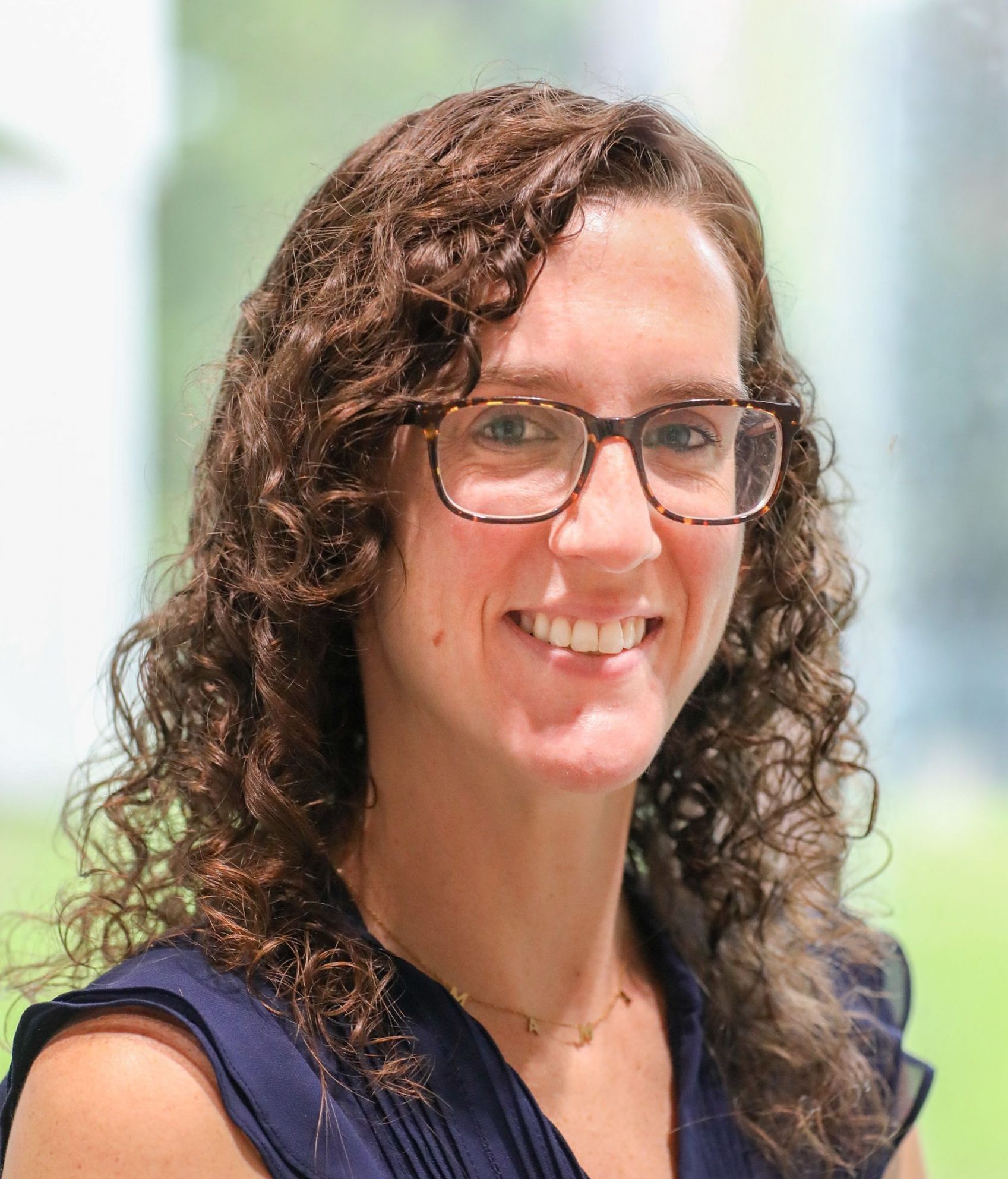
Zandra de Araujo
Director & Research Scientist, Mathematics

José D. De León Alejandro
Manager, Mathematics

Building Math Proficiency Through Mathematical Connections

April 14, 2026 | 12-1 p.m. EST

Intended audience: K-12 mathematics educators

  • Identify different types of mathematical connections (within grade, across grades, within mathematics, and to real-world contexts).
  • Understand how fostering connections supports the development of mathematical proficiency.
  • Analyze curriculum and instructional practices to determine how they support or limit connections.
  • Apply strategies to intentionally highlight and build connections during instruction.

Participants will explore the essential role of mathematical connections in developing deep and lasting math proficiency. Teachers will examine how connections within a grade level, across grade levels, within mathematical domains, and beyond mathematics to real-world applications strengthen student understanding. Through practical examples and instructional strategies, participants will learn how to intentionally design learning experiences that help students see mathematics as a coherent, connected discipline rather than a set of isolated skills.

Student Habits, Engagement, and Mathematical Proficiency

May 27, 2026 | 12-1 p.m. EST

Intended audience: K-12 mathematics educators

  • Understand the role of productive struggle in building mathematical proficiency.
  • Recognize the value of errors as a natural and important part of the learning process.
  • Identify strategies to increase student engagement and perseverance in mathematics.
  • Apply instructional practices that promote positive mathematical habits and mindsets.
  • Develop actionable steps to foster a classroom culture that supports risk-taking, reflection, and sustained effort.

In this webinar, participants will explore the critical role of student habits and dispositions in developing mathematical proficiency. Teachers will examine how productive struggle, perseverance, and a positive approach to errors contribute to deeper understanding and long-term learning. Participants will learn practical strategies to create classroom environments where students are actively engaged, take intellectual risks, and view mistakes as valuable opportunities for growth. The session will also highlight ways to foster student ownership and sustained engagement in mathematics.

Identifying Opportunities to Foster Mathematical Proficiency

Intended audience: K-12 mathematics educators

  • Recognize the five strands of mathematical proficiency.
  • Identify opportunities in tasks and curriculum to develop these strands.
  • Analyze and adapt instructional choices to support all strands.
  • Apply strategies across grade levels to promote proficiency beyond procedural fluency.

Educators will deepen their understanding of mathematical proficiency and explore practical strategies for fostering it through instruction and curriculum. Participants will examine how the five strands of mathematical proficiency—conceptual understanding, procedural fluency, strategic competence, adaptive reasoning, and productive disposition—can be intentionally developed in classrooms.

Through examples and activities spanning elementary, middle, and high school mathematics, teachers will learn to identify opportunities within tasks, lessons, and curriculum materials that promote meaningful mathematical learning. Participants will also analyze how instructional choices and curricular design can either support or limit students’ development of mathematical proficiency beyond procedural fluency, and consider ways to adapt tasks to better engage all five strands.

Strengthening Math Proficiency Through Mathematical Discourse

Intended audience: K-12 mathematics educators

  • Identify key components of effective mathematical discussions and their role in developing math proficiency.
  • Analyze curriculum materials and tasks to determine how they promote or limit opportunities for mathematical discussion.
  • Implement teacher moves that encourage student reasoning, justification, and sense-making.
  • Develop actionable next steps for integrating meaningful mathematical discussions into daily instruction.

This webinar will help educators strengthen their instructional practices by leveraging mathematical discussions as a powerful tool for improving student understanding, reasoning, and communication. When students engage in purposeful discourse, they develop conceptual understanding, mathematical precision, and confidence in sharing their ideas. Teachers will benefit by gaining strategies that promote shared participation, support all learners (including English language learners), and make student thinking more visible—leading to more responsive and effective instruction.

Designing Rich Math Tasks That Build Mathematical Proficiency

Intended audience: K-12 mathematics educators

  • Identify the defining characteristics of rich mathematical tasks.Apply strategies that support student discourse across the four language domains: speaking, listening, reading, and writing.
  • Analyze existing curriculum tasks to determine their potential for promoting mathematical proficiency.
  • Apply strategies to enhance or adapt current tasks to increase rigor, engagement, and opportunities for reasoning.

Educators will deepen their understanding of what makes a mathematics task “rich” and how rich tasks foster mathematical proficiency. Teachers will examine characteristics of high-quality tasks that promote reasoning, problem-solving, conceptual understanding, and productive struggle. Participants will analyze sample tasks, identify elements that increase cognitive demand, and explore practical strategies for enhancing existing curriculum materials to create more meaningful and rigorous learning experiences for students.

Connect With Us

Scroll to Top